

Can a polishing wheel be used for dry polishing?
Jan 21, 2026
Leave a message
As a supplier of polishing wheels, I often get asked if a polishing wheel can be used for dry polishing. It's a great question, and the answer isn't as straightforward as you might think. In this blog post, I'll break down the ins and outs of using polishing wheels for dry polishing, sharing some insights based on my experience in the industry.
Understanding Dry Polishing
First off, let's talk about what dry polishing actually is. Dry polishing is a process where you polish a surface without the use of any liquid coolant or lubricant. It's a popular choice in many industries because it can be quicker and more convenient. You don't have to worry about dealing with messy liquids, and in some cases, it can even be more cost - effective.
But it's not without its challenges. When you polish dry, there's a lot more heat generated. This heat can cause a few problems. For one, it can damage the surface you're polishing, especially if it's a sensitive material. It can also wear out the polishing wheel faster. So, before you decide to use a polishing wheel for dry polishing, you need to consider a few key factors.
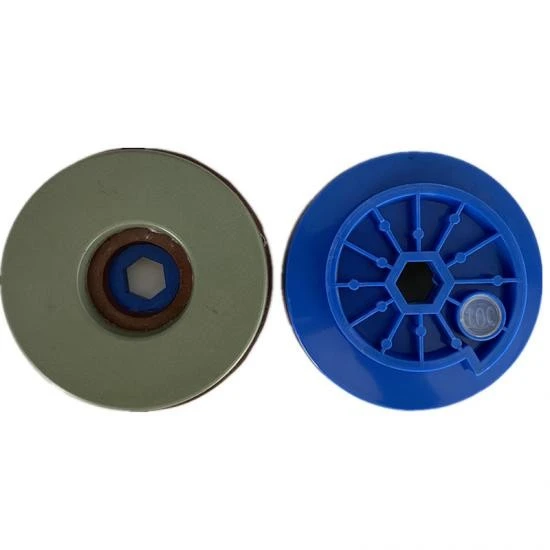

Factors to Consider
- Material of the Surface: Different materials react differently to dry polishing. For example, hard materials like granite can generally handle dry polishing better than softer materials such as marble. Granite has a higher heat resistance, so the heat generated during dry polishing is less likely to cause damage. On the other hand, marble is more porous and can be easily scratched or discolored by the heat. If you're planning to dry polish marble, you need to be extra careful. You might want to check out our Marble 5extra Polishing Wheel, which is designed to be more gentle on marble surfaces.
- Type of Polishing Wheel: Not all polishing wheels are created equal when it comes to dry polishing. Some wheels are specifically designed for wet polishing and won't work as well in a dry environment. You need to choose a polishing wheel that can handle the heat and friction of dry polishing. Our LUX Flat Edge Polishing Wheel is a great option for dry polishing. It's made with high - quality materials that can withstand the rigors of dry polishing without losing its effectiveness.
- Pressure and Speed: When dry polishing, you need to pay close attention to the pressure and speed you apply. Applying too much pressure can generate even more heat, which can damage both the surface and the polishing wheel. Similarly, high speeds can also lead to excessive heat buildup. You should start with a lower pressure and speed and gradually increase them as you get a feel for the process.
Advantages of Dry Polishing with Polishing Wheels
There are several benefits to using a polishing wheel for dry polishing.
- Convenience: As I mentioned earlier, dry polishing is much more convenient. You don't have to set up and maintain a coolant system, which can save you a lot of time and effort. You can just pick up your polishing wheel and get to work.
- Portability: Since there's no need for a coolant supply, dry polishing is much more portable. You can take your polishing wheel to different job sites without having to worry about transporting a large amount of liquid.
- Less Waste: Dry polishing produces less waste compared to wet polishing. There's no need to dispose of used coolant, which is better for the environment and can also save you money on waste disposal costs.
Disadvantages of Dry Polishing with Polishing Wheels
- Heat Damage: The biggest drawback of dry polishing is the risk of heat damage. As I've already noted, the heat generated during dry polishing can cause discoloration, cracking, or other forms of damage to the surface.
- Wheel Wear: Dry polishing can also cause the polishing wheel to wear out faster. The lack of a coolant means that there's less lubrication between the wheel and the surface, which can lead to increased friction and wear.
- Dust Generation: Dry polishing generates a lot of dust. This dust can be harmful if inhaled, so you need to take proper safety precautions, such as wearing a dust mask and having a good ventilation system in place.
Tips for Successful Dry Polishing
- Choose the Right Wheel: Make sure you select a polishing wheel that is suitable for dry polishing. Look for wheels that are made with heat - resistant materials and have a good balance between cutting power and durability. Our Honeycomb White Resin Edge Polishing Wheel is an excellent choice for a variety of dry polishing applications.
- Keep the Surface Clean: Before you start dry polishing, make sure the surface is clean and free of any debris. This will prevent the debris from getting caught between the wheel and the surface, which can cause scratches and uneven polishing.
- Take Breaks: To prevent overheating, it's a good idea to take regular breaks during the dry polishing process. This will give both the surface and the polishing wheel a chance to cool down.
Conclusion
So, can a polishing wheel be used for dry polishing? The answer is yes, but with some caveats. You need to carefully consider the material you're polishing, choose the right polishing wheel, and follow proper techniques to ensure a successful dry polishing process.
If you're interested in purchasing high - quality polishing wheels for your dry polishing needs, don't hesitate to reach out. We're here to help you find the perfect solution for your specific requirements. Whether you're a professional in the industry or a DIY enthusiast, we've got the products and expertise to support you.
References
- "Polishing Techniques and Materials Handbook"
- Industry case studies on dry and wet polishing processes.